

Visiting Tokyo feels like stepping into the future while keeping one foot firmly planted in the past. It is a dazzling metropolis where neon-lit skyscrapers stand shoulder-to-shoulder with ancient temples. For travelers from the United States, the city offers an experience that is both exhilarating and deeply culturally enriching. Whether you are a foodie hunting for the best sushi, a history buff exploring shrines, or an anime fan looking for merchandise, this city has something special for you.
In this guide, we will break down everything you need to know about visiting Japan’s capital. We will cover the must-see districts, the incredible food scene, and the practical tips you need to navigate the world’s most populous metropolitan area. Get ready to dive deep into a city that never sleeps but always dreams.
Key Takeaways
- Tokyo is a blend of modern technology and traditional culture.
- The public transportation system is world-class but can be complex.
- Food is a major highlight, from convenience stores to Michelin stars.
- Respect for local etiquette is crucial for a smooth trip.
- Each district (like Shibuya, Shinjuku, and Asakusa) has a unique vibe.
Getting to Know the Geography of Tokyo
Understanding the layout of Tokyo is the first step to conquering your trip. The city is massive, sprawling across the Kanto region. It isn’t just one city center; it’s a collection of many different neighborhoods, or “wards,” that function like mini-cities. The most famous area is the 23 Special Wards, which is what most people think of when they picture the city.
The Yamanote Line is a circular train loop that connects most of the major hubs you will want to visit. Think of the city like a clock face. Shinjuku and Shibuya are on the west side, Tokyo Station and Ginza are on the east, and Ueno and Akihabara are to the northeast. Learning this basic geography will save you hours of travel time. Instead of zig-zagging across the metropolis, you can group your sightseeing by neighborhood.
The Pulse of the City: Shibuya and Shinjuku
If you want the iconic “Lost in Translation” experience, you head to Shibuya and Shinjuku. Shibuya is famous for the Scramble Crossing, rumored to be the busiest pedestrian intersection in the world. It is a sea of people, giant video screens, and energy. It is the center of youth fashion and culture. Just a few stops away is Shinjuku, the administrative heart of the metropolis. It is home to the busiest train station in the world, handling millions of passengers a day. Here, you will find towering skyscrapers, the Metropolitan Government Building (which has free observation decks!), and the neon-soaked streets of Kabukicho.
The Traditional Heart: Asakusa and Ueno
On the northeastern side of the city, the vibe changes completely. Asakusa retains the atmosphere of old Tokyo (historically known as Edo). The main attraction here is Senso-ji, the city’s oldest and most significant Buddhist temple. Walking through the Nakamise-dori shopping street leading to the temple is a sensory overload of traditional snacks and souvenirs. Nearby Ueno is the cultural playground, home to Ueno Park. This massive green space houses the National Museum, a zoo, and gorgeous cherry blossoms in the spring. It is a fantastic place to slow down after the chaos of the western wards.
Navigating Public Transportation
For many American travelers, the train system in Tokyo can be intimidating. It looks like a bowl of spaghetti on a map. However, it is incredibly efficient, clean, and punctual. Trains run on the second, literally. The two main systems you will use are JR (Japan Railways) and the subway (Tokyo Metro and Toei Subway).
You don’t need to buy individual tickets for every ride. The best travel hack is to get an IC Card, like a Suica or Pasmo. These are rechargeable cards that you tap to enter and exit station gates. You can even use them to pay at vending machines and convenience stores. Google Maps is your best friend here; it will tell you exactly which car to board for the quickest transfer.
Understanding the JR Pass
A common question is whether the Japan Rail Pass is worth it. If you are staying only in Tokyo, the answer is generally no. The pass is designed for long-distance travel on the Shinkansen (bullet train) between cities like Kyoto and Osaka. For travel strictly within the capital, paying as you go with an IC card is much cheaper. However, if you plan to take day trips to places like Nikko or Kamakura, a regional pass might save you money. Always use a fare calculator before you buy.
Taxi Etiquette and Tips
Sometimes, especially after the trains stop running around midnight, you might need a taxi. Taxis in Tokyo are safe and clean, but they can be expensive. A few key things to remember: the back doors open and close automatically—do not try to open them yourself! Most drivers do not speak fluent English, so having your destination written in Japanese or showing it on a map app is helpful. While ride-sharing apps exist, traditional taxis are much more common on the street.
The Culinary Wonderland of Tokyo
Food is arguably the best part of any trip to Japan. Tokyo holds the record for the most Michelin-starred restaurants in the world, beating out Paris and New York. But you don’t need to spend a fortune to eat like a king. The quality of food is high everywhere, from tiny noodle shops to department store basements.
One unique aspect of dining here is specialization. In the US, a restaurant might serve sushi, ramen, and tempura. In Japan, a restaurant usually perfects just one thing. A ramen shop sells only ramen. A tonkatsu place sells only pork cutlets. This dedication to craft ensures that whatever you are eating, it’s likely the best version of it you have ever had.
Sushi: From Conveyor Belts to Omakase
You cannot visit without eating sushi. For a fun, budget-friendly experience, try kaiten-zushi (conveyor belt sushi). It’s interactive and easy for tourists because you can see what you are getting. For those wanting a high-end experience, an omakase course is unforgettable. This is where you leave the selection entirely up to the chef. You sit at a counter, and the chef prepares piece after piece of fresh nigiri right in front of you, explaining the fish and the seasoning. It is less of a meal and more of a performance art.
Ramen Street and Noodle Alleys
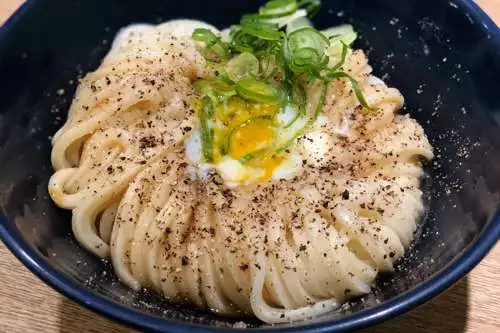
Ramen is the soul food of Japan. There are countless varieties, but the most famous local style involves a soy sauce-based broth. Tokyo Station has an entire area called “Ramen Street” in its basement, featuring eight of the best ramen shops in the city. Be prepared to wait in line—Japanese people love queuing for good food. Another noodle dish to try is tsukemen (dipping noodles), where the noodles and broth are served separately. The broth is much richer and thicker, clinging to the noodles when you dip them.
Top 5 Must-Try Foods in Tokyo
|
Food Item |
Description |
Best Place to Try |
|---|---|---|
|
Sushi |
Fresh raw fish on vinegared rice. |
Tsukiji Outer Market or Ginza |
|
Ramen |
Wheat noodles in savory broth. |
Tokyo Station Ramen Street |
|
Tempura |
Lightly battered and fried seafood/veggies. |
Asakusa |
|
Yakitori |
Grilled chicken skewers. |
Omoide Yokocho (Piss Alley) |
|
Monjayaki |
A runny, savory pancake unique to the region. |
Tsukishima District |
Shopping Culture and Districts
Shopping in Tokyo is a serious hobby. The customer service is legendary; staff will treat your purchase with immense care, wrapping it beautifully even if it’s a small item. Whether you are looking for high-end fashion, vintage clothes, or cheap electronics, there is a specific district dedicated to it.
Tax-free shopping is a huge perk for tourists. If you spend over 5,500 yen (roughly $37 USD) at participating stores, you can get the 10% consumption tax refunded instantly. You just need your passport. Look for the “Tax-Free” signs in shop windows.
Akihabara: The Electric Town
For geeks, gamers, and anime lovers, Akihabara is holy ground. It is the epicenter of “otaku” culture. The streets are lined with multi-story arcades, maid cafes, and shops selling figures, manga, and retro video games. Even if you aren’t into anime, the spectacle of Akihabara is worth seeing. The electronic stores here are massive, selling gadgets you didn’t even know existed. Just be aware that some electronics sold here might not work with US voltage or plugs, so check before buying expensive appliances.
Ginza and Omotesando: Luxury and Design
If your tastes run more towards luxury, head to Ginza. This is the Beverly Hills of Tokyo. The main street is closed to traffic on weekends, making it a pedestrian paradise. You will find flagship stores for every major global brand, along with historic department stores like Mitsukoshi. Omotesando is another high-end area, often called the Champs-Élysées of Japan. It is famous for its stunning modern architecture. Even if you don’t buy anything, walking down Omotesando is an architectural tour in itself.
Harajuku: Youth Fashion and Crepes
Right next to the luxury of Omotesando is the chaotic energy of Harajuku. Takeshita Street is the focal point, a narrow alley jammed with teenagers, tourists, and shops selling kawaii (cute) fashion. This is the birthplace of many wild Japanese fashion trends. It is loud, colorful, and smells like sweet crepes, which are the signature street snack of the area. It is a great place to buy unique souvenirs, colorful socks, and bizarre accessories that you won’t find anywhere else.
Cultural Etiquette for Travelers
Japan is a society built on respect and harmony. While locals are generally forgiving of tourists, learning a few basic rules will go a long way. It shows you respect their culture and makes interactions much smoother.
One of the biggest rules is about trash. You will notice there are almost no public trash cans in Tokyo, yet the streets are spotless. People carry their trash home with them. You should carry a small plastic bag in your backpack to hold your wrappers and bottles until you find a bin (usually at train stations or convenience stores). Also, eating while walking is generally frowned upon. If you buy a snack at a street stall, stand near the stall to eat it before moving on.
Silence on Trains
When you step onto a train in Tokyo, you will notice how quiet it is. People do not talk on their phones. Conversations are kept to a whisper. This silence is considered good manners, allowing everyone to commute in peace. Make sure your phone is on silent mode (often called “Manner Mode” in Japan). If you are traveling in a group, try to keep your voices down. It is a small gesture that locals appreciate deeply.
Shoes Off, Slippers On
You will need to take your shoes off more often than you think. This applies to entering homes, ryokans (traditional inns), temple halls, and even some restaurants (izakayas). Always look for a designated area near the entrance with a step up or a shelf for shoes. Never step on the tatami mats (straw flooring) with shoes or slippers—only socks or bare feet. Some places even provide special “toilet slippers” for use only in the bathroom. Don’t forget to switch back when you leave the restroom!
Seasonal Highlights: When to Visit
Tokyo has four distinct seasons, and each offers a completely different experience. The most popular time to visit is spring for the cherry blossoms (sakura). The city turns pink, and parks fill with people having picnic parties under the trees. However, this is also the most crowded and expensive time.
Summer can be intensely hot and humid, but it is also the season for fireworks festivals and lively street parades. Autumn is arguably the most comfortable time to visit. The weather is cool and crisp, and the city parks turn brilliant shades of red and gold with the changing leaves. Winter is cold but generally sunny and dry. It’s the best time to see Mount Fuji clearly from the city’s observation decks because the air is less hazy.
Cherry Blossom Viewing (Hanami)
If you are lucky enough to be in Tokyo in late March or early April, you must participate in hanami. This is the tradition of flower viewing. Locals gather in parks like Yoyogi, Ueno, and Shinjuku Gyoen with blue tarps, bento boxes, and drinks. It is a massive communal celebration of spring. Note that if you want a good spot in a popular park, you might need to arrive very early in the morning to stake your claim.
Winter Illuminations
The Japanese love seasonal light displays. From November to February, the city sparkles with “Winter Illuminations.” Major districts like Roppongi Hills, Shibuya, and Marunouchi compete to have the most elaborate light shows. Trees are wrapped in millions of LEDs, and music syncs with the lights. It turns the long winter nights into a magical, romantic experience perfect for strolling.
Accommodation Options
Where you stay in Tokyo can define your trip. Because the city is so big, picking a location near a major train line (especially the Yamanote Line) is crucial. Hotels range from tiny business hotels to 5-star luxury resorts.
Business hotels are a great option for budget-conscious travelers. Rooms are small—sometimes very small by US standards—but they are clean, efficient, and have everything you need. On the other end of the spectrum, luxury hotels in the city offer incredible service and views. For a unique experience, try a capsule hotel for one night. You sleep in a pod stacked in a wall. It is surprisingly comfortable and a very “only in Japan” experience.
Staying in a Ryokan
While Tokyo is a modern city, there are still traditional inns called ryokans. Staying in one gives you a taste of old Japan. You sleep on futons on tatami floors, wear yukata robes, and often get a traditional multi-course breakfast included. It is a great way to decompress from the high-tech energy of the city streets.
Using Airbnb and Vacation Rentals
Airbnb is available, but regulations have become stricter in recent years. Many listings are in residential areas, which can be great for seeing how locals live but might be a bit of a walk from the nearest station. Always check the location carefully. Also, remember to be extra quiet in residential neighborhoods, especially at night, to be a good neighbor.
Unique Attractions You Might Miss
Beyond the famous spots, Tokyo is full of hidden surprises. One such place is the Ghibli Museum in Mitaka. Dedicated to the works of Studio Ghibli (creators of Spirited Away and My Neighbor Totoro), it is a whimsical, magical museum that requires tickets bought months in advance.
Another hidden gem is Yanaka Ginza. It is one of the few areas that survived the WWII bombings and modernization. It retains the charm of the mid-20th century, with stray cats, small croquette stands, and a slow pace of life. It’s a perfect place to see a sunset and feel nostalgic for a time you never lived in.
teamLab Planets and Borderless
In recent years, digital art museums have become a massive hit. teamLab Planets and teamLab Borderless offer immersive digital art experiences where you walk through water, touch lights that react to you, and get lost in infinite crystal worlds. These are incredibly popular for Instagram photos, so booking tickets in advance is mandatory.
The Sumo Experience
If you are visiting in January, May, or September, try to catch a Sumo tournament at the Ryogoku Kokugikan. Sumo is the national sport, steeped in Shinto ritual. Even if you aren’t a sports fan, the pageantry and intensity of the matches are fascinating. If you aren’t there during a tournament, you can sometimes visit a “sumo stable” in the morning to watch the wrestlers practice, though this requires strict adherence to silence and rules.
Frequently Asked Questions (FAQ)
Q: Do I need to speak Japanese to visit?
A: No, you can get by with English, especially in major tourist areas. Signs in train stations are in English. However, learning a few phrases like Arigato (Thank you) and Sumimasen (Excuse me) is polite and helpful.
Q: Is Tokyo expensive?
A: It can be, but it doesn’t have to be. While accommodation and high-end dining are pricey, you can eat delicious meals for $5-$10 and transport is reasonable. It is often cheaper than New York or London.
Q: Is there free Wi-Fi everywhere?
A: Not everywhere. While it is improving, free public Wi-Fi can be spotty. It is highly recommended to rent a Pocket Wi-Fi device or get an eSIM for your phone to stay connected for maps and translation apps.
Q: Is it safe to walk around at night?
A: Yes, Tokyo is one of the safest cities in the world. Violent crime is extremely rare. You can walk alone at night in almost any neighborhood without worry. However, standard precautions regarding personal belongings should still apply.
Q: Can I use credit cards everywhere?
A: Most major stores and hotels accept cards, but Japan is still a cash-heavy society. Many small restaurants, ticket machines, and temples only take cash. Always carry some yen with you.
Conclusion
A trip to Tokyo is an adventure that stays with you long after you fly home. It challenges your senses, fills your belly with incredible food, and opens your eyes to a culture that values beauty, order, and history. From the quiet majesty of Meiji Shrine to the neon chaos of Shinjuku, the city is a masterclass in contrasts.
Whether you spend your days hunting for anime figures or seeking zen in a rock garden, the city welcomes you. There is no “right” way to explore it—only your way. So pack your walking shoes, charge your camera, and get ready for the trip of a lifetime. For more travel inspiration and headlines from around the globe, check out https://itsheadline.co.uk/ to stay updated on what’s happening.
And if you want to dive even deeper into the history and details of this fascinating metropolis, you can find a wealth of information on the Wikipedia page related to this keyword Tokyo.